
Genel · May 27, 2026 · 4 min read
Your Baby's First Flight: Practical Tips and Preparation Checklist
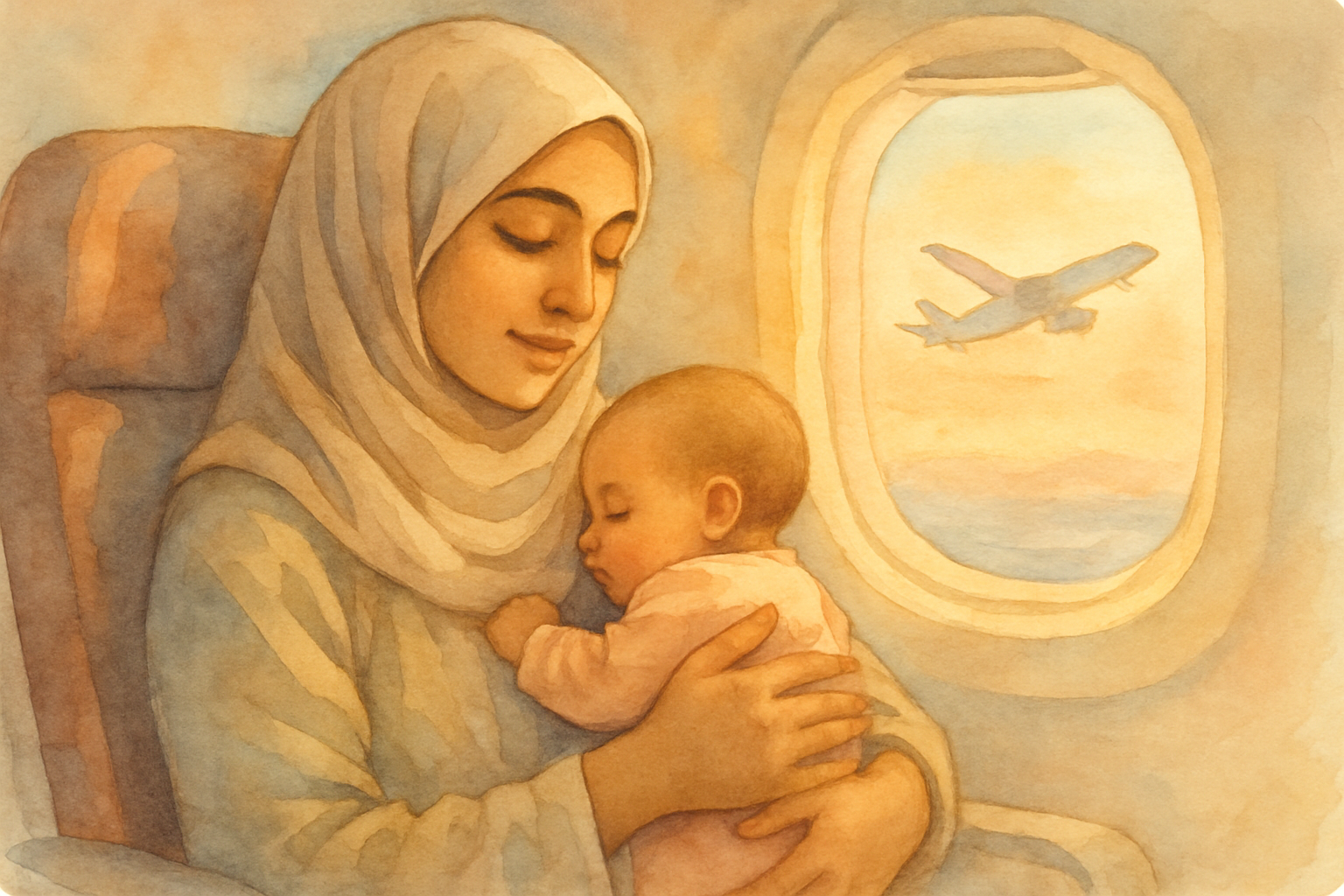
Your baby's first flight can be a mix of excitement and worry. However, with proper preparation and practical knowledge, you can ensure both you and your baby have a comfortable and safe experience. This guide is written to support parents of children ages 0-5 through every stage of air travel.
Pre-Flight Preparation
Consult with your pediatrician before flying with your baby. It's especially important to get medical advice for babies under 6 months or children with chronic conditions. You may need a medical certificate for travel. Also, make sure your baby's passport (if applicable) and necessary health documents are ready.
Packing: Place your baby's medications, feeding supplies (formula, breastfeeding accessories), diapers, extra clothes, toys, and comfort items (like a favorite blanket) in a separate bag. In addition to your main bag, prepare a smaller backpack for use during the flight.
Air Pressure and Ear Comfort
Air pressure changes during flight can cause discomfort, especially in the ear canal. Since babies and young children can't express this verbally, crying or fussiness is a normal response. Breastfeeding or using a bottle helps your child swallow, which equalizes ear pressure. Pay special attention during takeoff and landing.
For older children (2-5 years), chewing gum or sucking on candy can be effective. However, don't give candy to babies; breastfeeding or formula is the safest method.
Feeding and Sleep on the Plane
Your baby's feeding routine should continue on the plane. Breastfeeding mothers can nurse whenever needed (flight staff will support this). For formula-fed babies, hot water is available from the airport or flight attendants. Powdered formula and bottles pass through security; liquid formula can be carried up to 100 ml.
Be patient with sleep. Plane noise, vibration, and the new environment can wake your baby. Comfortable clothing, a familiar toy, or a comfort item can help them sleep better. Before using melatonin or sleep medication on long flights, consult your pediatrician.
How do I change a diaper on the plane?
Most airplane bathrooms have a fold-down changing table. Keep compact diapers and wet wipes handy. If there's not enough space in the bathroom, you can change your baby in your lap or on an empty seat. Airport changing rooms are more spacious and comfortable, so try to change your baby there before and after the flight if possible.
My baby is crying on the plane — is this normal?
Yes, it's quite normal. The new environment, noise, and pressure changes can stress your baby. Speak in a calm voice, hold them close, and try to comfort them. Other passengers will be understanding; don't worry. Breastfeeding or formula usually calms the baby down.
Health and Safety
Your baby's vaccinations should be up to date. Although the airplane cabin is enclosed and air circulation is controlled, there's still a risk of infection. Frequent hand washing, avoiding touching your baby's face, and hygiene are important. Carry your baby's medications (if any) and keep the doctor's prescription with you.
Your baby's seat belt: Babies under 2 years travel in a special airplane bassinet or in a parent's lap. Children ages 2-5 should sit with a child safety belt provided by the airline. Belts should be snug but not too tight.
The Maiyko difference: Your baby feeling comfortable and secure is the key to a successful journey. Soft textiles with a familiar scent (like mom's scent) help reduce stress. Organic cotton blankets or soft toys can be carried alongside your baby's comfort item.
Health Note: This article is for informational purposes. If you have concerns about your baby's health, consult your pediatrician before flying. Medical approval is especially important for premature babies or those with heart disease or respiratory problems.
maiyko.com · Kids & Babies · General · Istanbul, Turkey · © 2026 Maiyko
Foods mentioned in this post
⚕️ The content in this article is for informational purposes only; it is not medical advice. For decisions about your baby's health, consult your pediatrician.