
Kitaplar · June 26, 2026 · 5 min read
The Power of Reading Aloud to Your Baby: Joyful Moments with Tone and Repetition
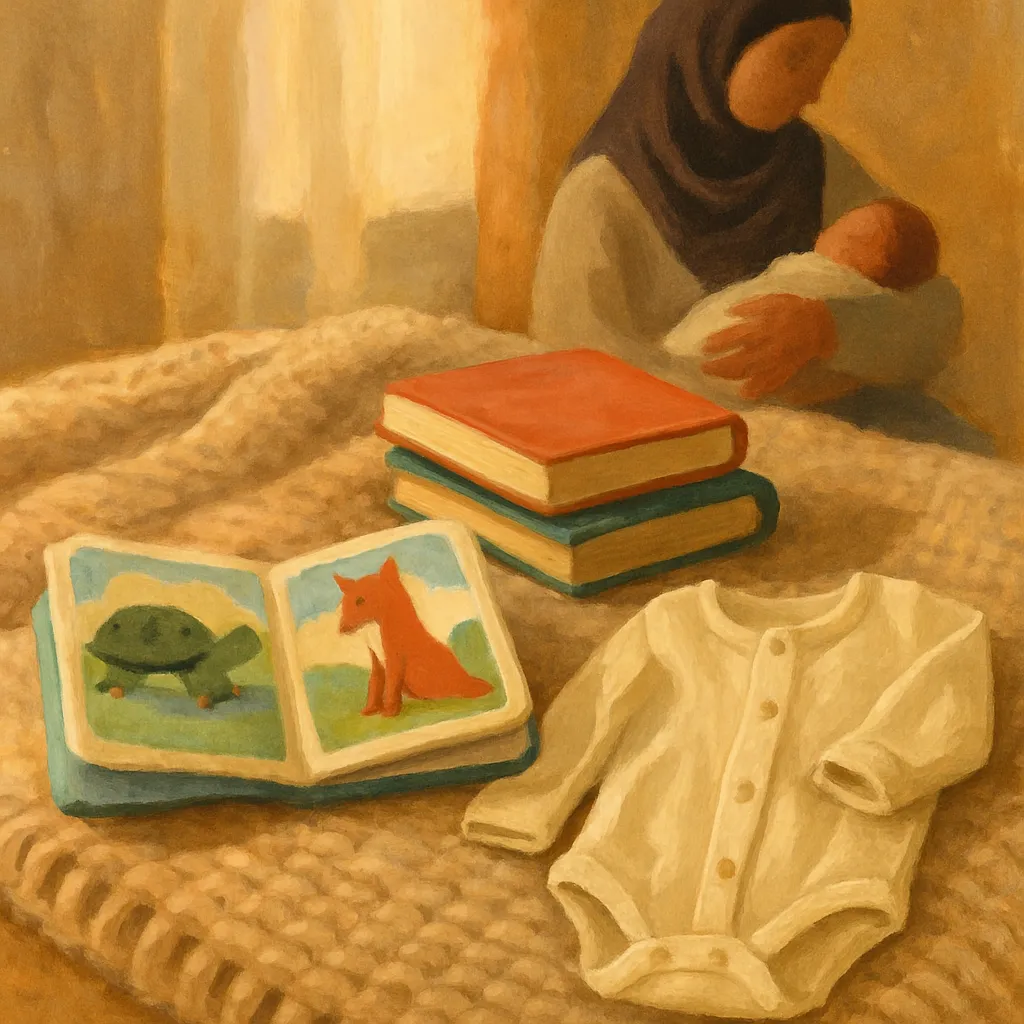
Even though your baby does not yet understand the words, they notice the tone, rhythm and warmth of your voice very early. Reading aloud means hearing words and, just as much, sharing a calm, safe moment with you. What matters is not a flawless performance but regular, enjoyable time together; even reading the same book over and over can be enriching for your little one.
Why Is Reading Aloud So Valuable?
Babies first know the world through sounds, and a parent's voice is the most familiar and soothing of all. Regular reading aloud can prepare a gentle ground for language development by increasing the variety of words a baby hears. Beyond that, the reading moment becomes a moment of shared closeness: looking at the same page together, smiling and hearing the same voice again and again gives your little one a sense of security. You do not need to read perfectly; a warm, willing voice is usually enough.
The Effect of Tone and Repetition
Reading the same sentence in a different voice, a little slower or with cheer, keeps a baby's interest alive. Repetitive, rhythmic texts create a sense of familiarity that little ones love; asking for the same book again comes not from boredom but from trust and delight. Adding animal sounds, soft whispers or short pauses turns reading into a little game and gently invites your baby to take part.
Ways to Make Reading Aloud Joyful
Choose a calm moment
Pick a time when your baby is fed, rested and calm. A short but peaceful read is far more valuable than a long but restless one.
Use your tone
Gently change your voice with characters or events. Small tone shifts, added without overdoing it, make the book lively and fun.
Allow repetition
If your baby asks for the same book again, read it gladly. Repetition reinforces words and offers your little one a predictable, safe rhythm.
Follow your baby's pace
Turn the pages according to their interest; if they want to gaze at a picture, wait. Reading is not a race but a journey you explore together.
Build a small daily routine
Placing reading at a certain time of day, such as before the midday nap, creates both anticipation and a sense of calm.
Frequently Asked Questions
My baby shows no interest in books, what should I do?
This is very normal; babies have short attention spans and their interest changes from day to day. You can start with short reads and continue without pressure. Your baby may want to hold, turn or mouth the book; that too is part of exploration. Over time, this calm moment that comes with your voice becomes a beloved habit for most little ones.
What kinds of books suit this age?
Books with thick pages, large clear pictures and short, repetitive text are ideal for babies. Sturdy board or soft fabric books also suit the exploration of small hands. The most important measure is books you can read comfortably and with pleasure, and that you enjoy spending time with together.
The Maiyko difference: Reading moments are often calm times lived on a lap, in a cuddle. At Maiyko we believe in the softness that supports this closeness; clothes made of GOTS-certified organic cotton, breathable and gentle on the skin, make these peaceful moments together even more comfortable.
maiyko.com · Kids & Babies · Books · İstanbul, Türkiye · © 2026 Maiyko
Foods mentioned in this post
⚕️ The content in this article is for informational purposes only; it is not medical advice. For decisions about your baby's health, consult your pediatrician.