
Ev & Hobiler · May 28, 2026 · 4 min read
Spring Toy Rotation: Keep Your Child Engaged While Maintaining a Tidy Home
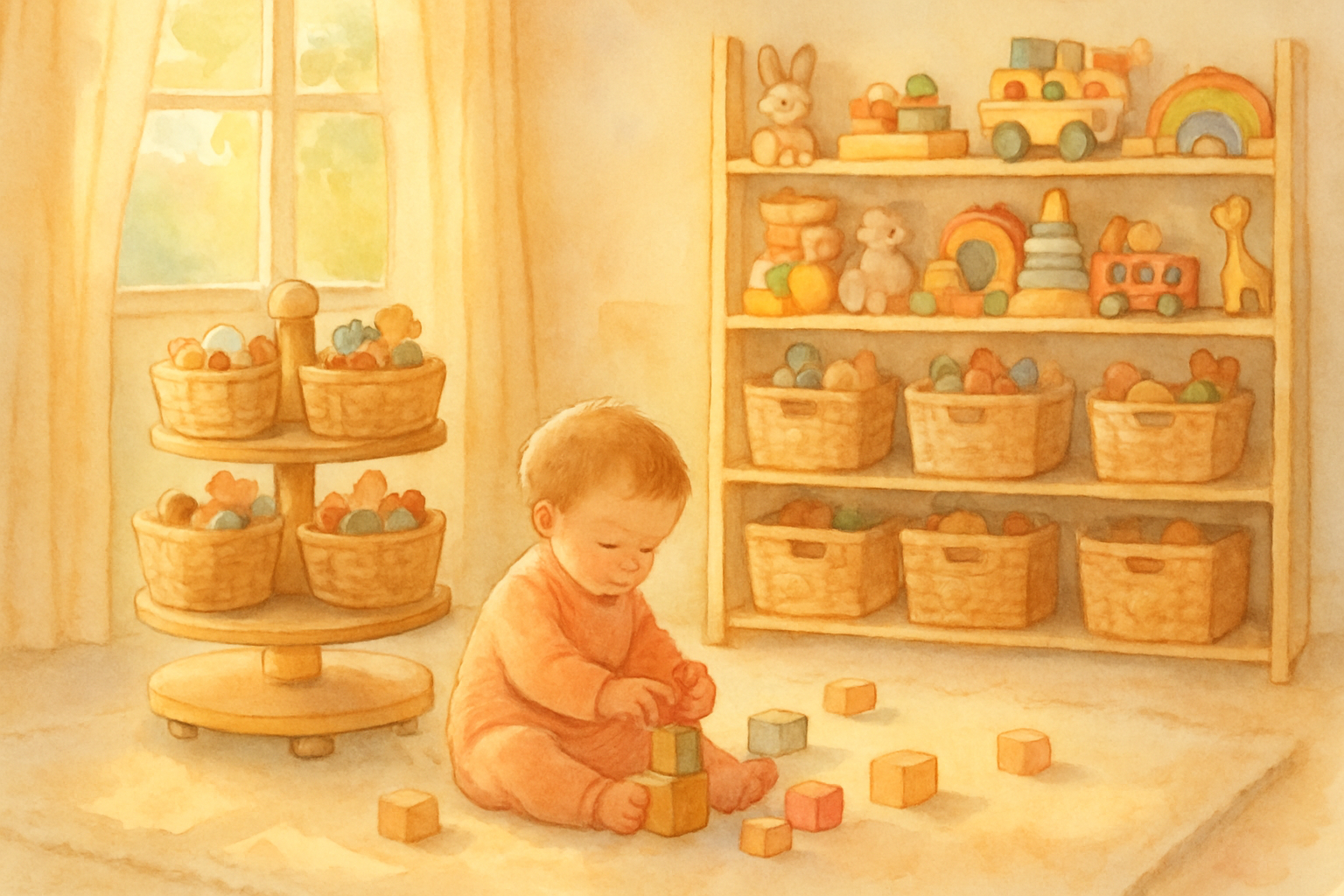
Spring brings fresh air into our homes, and it can also bring a new perspective to your child's toy collection. While keeping all toys out at once creates clutter, a smart rotation system maintains order while enriching your child's learning process.
How Does the Rotation System Work?
Divide toys into three categories: Active (currently in the room), Storage (in closed bins), and Special (saved for birthdays or holidays). Every 2-3 weeks, swap the active and storage groups. Your child rediscovers an "old" toy as if seeing it for the first time. This system works best after 18 months; younger babies can't follow the routine.
Practical Implementation Steps
1. Create an Inventory: Count and photograph all toys one weekend. Set aside any broken or incomplete ones. 2. Group Toys: Divide age-appropriate toys into 3-4 groups (blocks, soft toys, musical instruments, etc.). 3. Choose Storage: Designate a shelf, plastic bins, or closet corner—somewhere your child can't reach but you can easily access. 4. Set a Schedule: Add a "Toy Rotation" reminder to your phone. Set aside 10 minutes on Monday mornings.
Your Child Won't Accept the Rotation—They're Complaining?
That's completely normal. In the first 2-3 rotations, children look for their familiar toys. Solution: Present new toys as a "surprise," not something hidden. Have a fresh set ready when they wake up in the morning. Also, NEVER store their favorite toy—this can damage their sense of trust.
What's the "Right" Number of Toys?
Research shows that having 4-6 toys for ages 0-3 and 8-12 toys for ages 3-5 maximizes attention and creativity. Keep 5-8 toys actively available in rotation, and store the rest.
The Maiyko difference: The same principle applies when choosing organic toys and textiles. Rotating carefully selected, quality pieces rather than having many items better serves your child's sensory development. In spring, store heavier, natural fabric toys and bring lighter, summer options into active rotation for seasonal harmony.
Spring Rotation Tips
As the season changes, bring outdoor toys to the forefront (balls, chalk, garden tools). Shift indoor toys toward quieter, more focus-intensive options (puzzles, building blocks). This naturally encourages your child to spend more time outdoors. When a toy breaks or goes missing, don't replace it immediately—ask your child, "What should we play with instead this week?" and discover new options together. This builds adaptability skills.
maiyko.com · Kids & Babies · Home & Hobbies · Istanbul, Turkey · © 2026 Maiyko
⚕️ The content in this article is for informational purposes only; it is not medical advice. For decisions about your baby's health, consult your pediatrician.