
Aile Hayatı · May 11, 2026 · 4 min read
Spring Sleep Schedules: How Longer Days Affect Your Baby
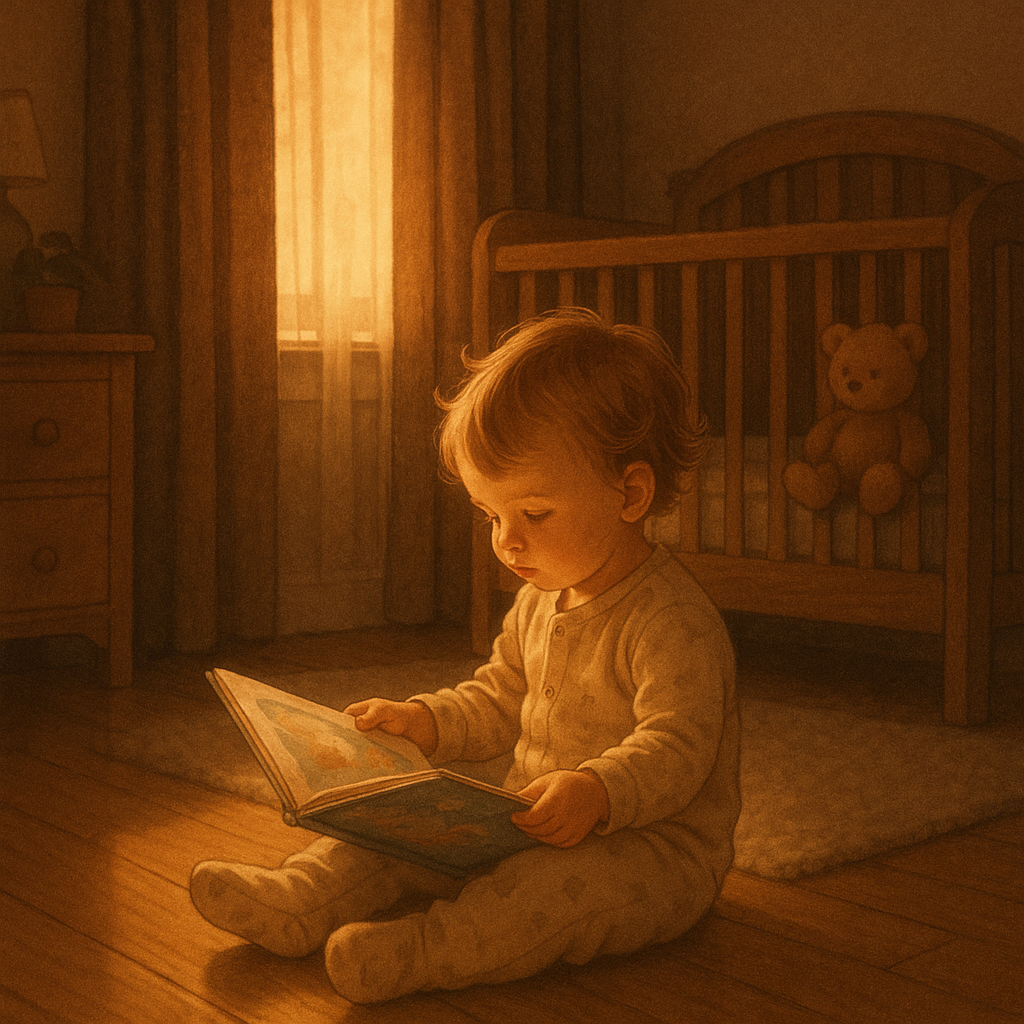
## The Sun Stays Up, and So Does Baby
When May rolls around and the sky is still bright at 8 p.m., many parents will recognize what comes next: bedtime has arrived, but your child is standing at the window declaring, "It's still daytime!" This isn't just your imagination — it's a very real biological response. Extended daylight delays the release of melatonin, the hormone that helps us fall asleep. In children between 0 and 5 years old, this effect is noticeably stronger than it is in adults.
## Sleep Debt Builds Up Quietly
One late night won't cause much harm, but half-hour delays that accumulate over weeks can create a cycle of **overtiredness-driven hyperactivity**, afternoon crankiness, and early morning wake-ups in your child. In other words, if your little one is going to bed later but still waking at the same time each morning, their total sleep is being cut short. The AAP recommends 11–14 hours of total sleep per day for ages 1–2, and 10–13 hours for ages 3–5 (individual sleep needs may vary; speak with your pediatrician if sleep problems persist).
## Take Control of the Light
The most effective and straightforward step is a **blackout curtain**. Starting to darken the bedroom at around 7:00–7:30 p.m. helps your child's brain receive the "it's dark, time for melatonin" signal earlier in the evening. Before reaching for expensive solutions, give this a try first — adhesive blackout film, available at most pharmacies, works well even in rental homes.
In the 30–45 minutes before sleep, also try:
- Turning off bright screens (phones, tablets, TV).
- Lowering the noise level and wrapping up any boisterous play.
- A warm shower or short bath, which lowers body temperature and gently invites sleep.
- A small book behind the curtains or a lullaby ritual to signal to the brain that it's time to switch into sleep mode.
## Anchor the Routine, Not the Sun
Children can't read a clock, but their bodies recognize a repeated sequence. A **consistent nightly order** — bath → pajamas → book → sleep — builds a conditioned response within a few weeks. Your child may even start rubbing their eyes at the very first step of the routine. Even if the sun hasn't set yet, watch the clock: when bedtime arrives, the curtains close and the routine begins.
## Daytime Naps in the Spring Chaos
Children between 18 months and 3 years may start resisting their daytime nap as spring gets going — partly due to increased stimulation from the world around them, and partly because of natural developmental changes. Rather than dropping the nap entirely, reframe it as **"quiet time"**: 20–30 minutes of calm activity on their bed or a cushion — coloring, playing with small figures, or quietly flipping through a book — gives both the brain and body a meaningful rest. This can actually lead to better quality sleep at night.
## A Reminder That Protects You Too
As parents, you may find yourselves reaching for your phone or getting pulled into a show more easily during those long, light-filled evenings. Protecting your own sleep schedule is just as important as protecting your child's — a tired parent has a much harder time keeping a consistent routine going. Be kind to yourself: it's not about being perfect, it's about being **consistent**, and that's what truly makes the difference.
Foods mentioned in this post
⚕️ The content in this article is for informational purposes only; it is not medical advice. For decisions about your baby's health, consult your pediatrician.