
Genel · May 4, 2026 · 4 min read
Spring Sleep Schedules: Adjusting to Longer Days
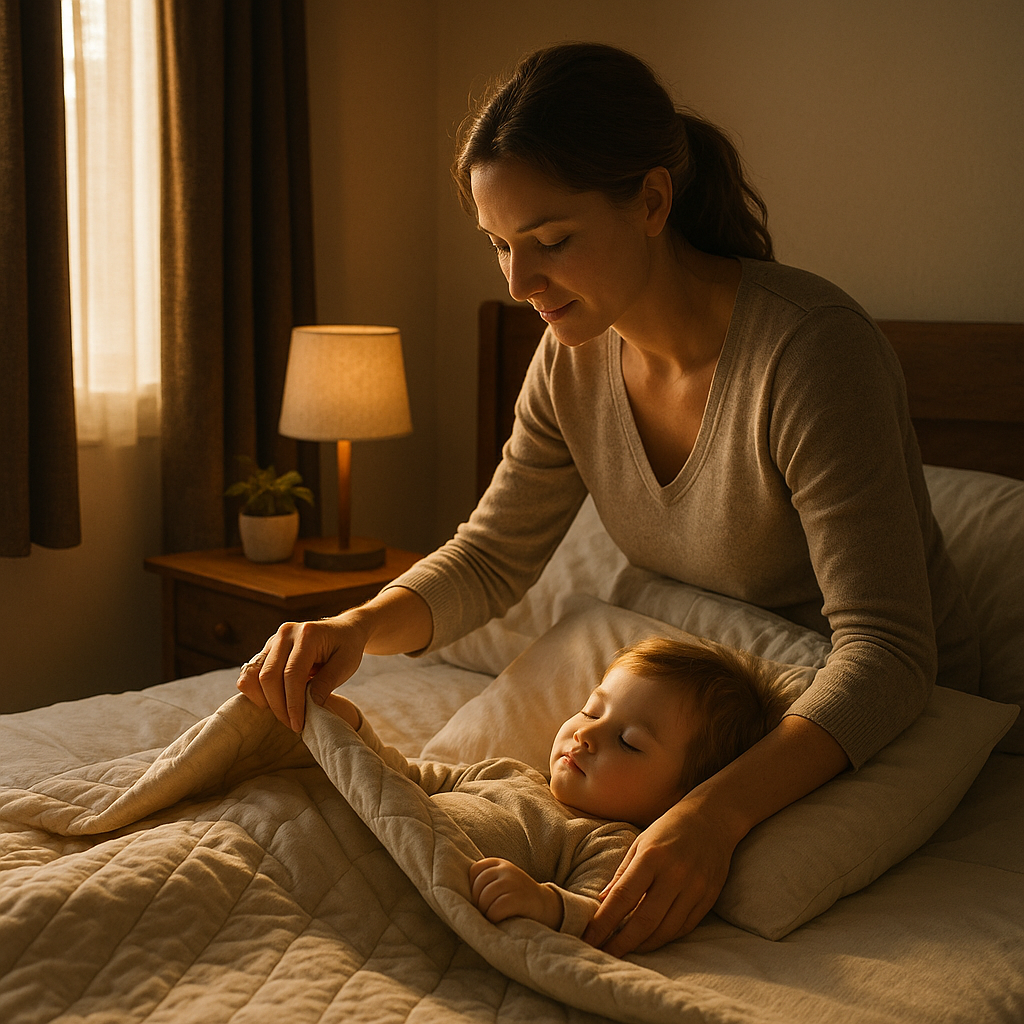
## Why Does Sleep Get Harder in Spring?
As late March rolls around, many parents share the same concern: "They used to be asleep by 8:30, but now bedtime takes forever." Please don't let this make you feel exhausted or like you're doing something wrong — what you're experiencing is completely seasonal and neurological.
As daylight stretches longer, the brain begins producing **melatonin** — the hormone normally triggered by darkness — later and later in the evening. On top of that, all those active hours at the park, the fresh air, and the new stimulation of spring keep your child's nervous system positively but intensely engaged. Put it all together, and bedtime naturally seems to drift back by 30 to 60 minutes on its own.
## Ages 0–2: What Can You Do for Babies?
A baby's internal clock is very sensitive to outside light. A few small changes can make a big difference:
- Use **blackout curtains** so your baby's brain doesn't receive the message that it's still daytime.
- Gently shift your evening routine (bath → nursing/bottle → lullaby) 15–20 minutes earlier to gradually adjust to the new daylight schedule.
- Avoid **long naps** after 5:00 p.m. — this is one of the most common traps that pushes nighttime sleep later.
If your baby's sleep troubles persist, don't hesitate to speak with your pediatrician. Sometimes physical causes like an ear infection or teething can also lead to night wakings.
## Ages 2–5: Transition Rituals for Older Children
At this age, your child may protest with a perfectly logical "But it's still light outside!" It's actually a fair observation — instead of brushing it off, validate it:
*"You're right, the sun is setting later because spring is here. But our brains still need darkness to fall asleep — even grown-up brains do too."*
Then try these steps:
- Turn off screens **45–60 minutes before bed**; blue light suppresses melatonin.
- Choose a calm, consistent routine: a light snack → teeth brushing → pyjamas → 1–2 books. The order matters more than the specifics.
- **Keep the room cool** (18–20°C is ideal); warmer air can make it harder to drift off.
- Rather than turning bedtime into a countdown competition, give your child a small sense of control: a simple "Which book shall we read tonight?" is plenty.
## How Long Does It Take to Adjust to the Light?
The body's biological adjustment to a new season typically takes **1–2 weeks**. During this time, morning wake-ups may shift a little earlier too — that's completely normal. As long as you keep your routine consistent, your child's internal clock will naturally recalibrate on its own.
The most important thing isn't chasing a perfect sleep schedule — it's **sending consistent cues**. Light, sound, scent, and order — these are the four key signals that tell your child's brain it's time to sleep.
## A Final Word
Spring is a wonderful time of year when both you and your child feel your energy rising. Longer days can make bedtime a little trickier, but that doesn't mean you're doing anything wrong. With small, consistent steps, both you and your little night-wanderers will sail through this transition just fine.
⚕️ The content in this article is for informational purposes only; it is not medical advice. For decisions about your baby's health, consult your pediatrician.