
Gelişim · May 20, 2026 · 4 min read
Playing in Spring: The Power of Free Play for Ages 0–5
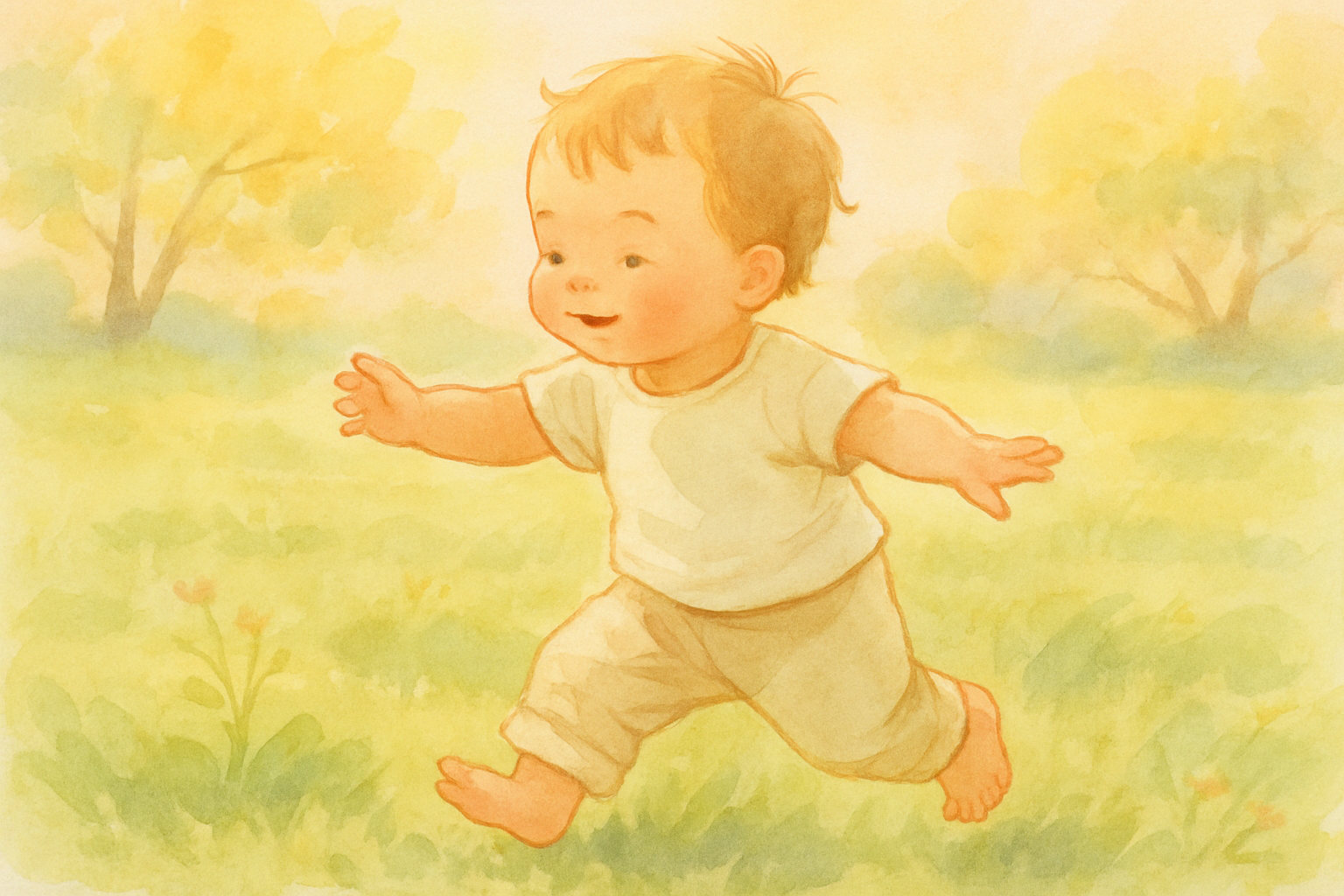
The weather has warmed up, the parks are buzzing with life, and your little one seems more eager than ever. Behind all that energy lies a powerful developmental process: free play. No rules, no adult direction — just curiosity, imagination, and discovery. Sounds simple, right? And yet science tells us that these "simple" moments are actually shaping your child's brain.
What Is Free Play, and How Is It Different from Structured Play?
Structured play follows rules and goals set by an adult: finish the puzzle, name the color, throw the ball. Free play is the opposite. The child chooses what to play, how to play it, and when to stop. When you head to the park on a spring afternoon and let your child roam without saying "Go on the swings" — that's when free play begins. Maybe they line up rocks, lie down in the grass, or chase a bug. Each of those moments opens up a new pathway in the brain.
Real Developmental Benefits: What Does Your Child Gain at Each Age?
0–12 months: Free exploration nurtures sensory-motor development. As your baby rolls and moves freely on the floor, they're building muscle strength and their sense of balance.
1–3 years: Children who play independently — with a caregiver nearby but not directing — begin to discover cause and effect. They drop a block, it falls — and just like that, they've learned about gravity!
3–5 years: Imaginative role play takes off. Your child becomes a strawberry seller, declares a tree their "house." These pretend play moments at this age accelerate empathy and language development.
The Maiyko difference: Maiyko's organic cotton clothing is designed to let children move freely at the park, on the grass, and in the sand — with flexible stitching, breathable fabric, and no worry about stains, so every outing is a true free play experience.