
Ev & Hobiler · June 24, 2026 · 4 min read
Organizing Your Baby's Things Practically: A Calm, Tidy Flow at Home
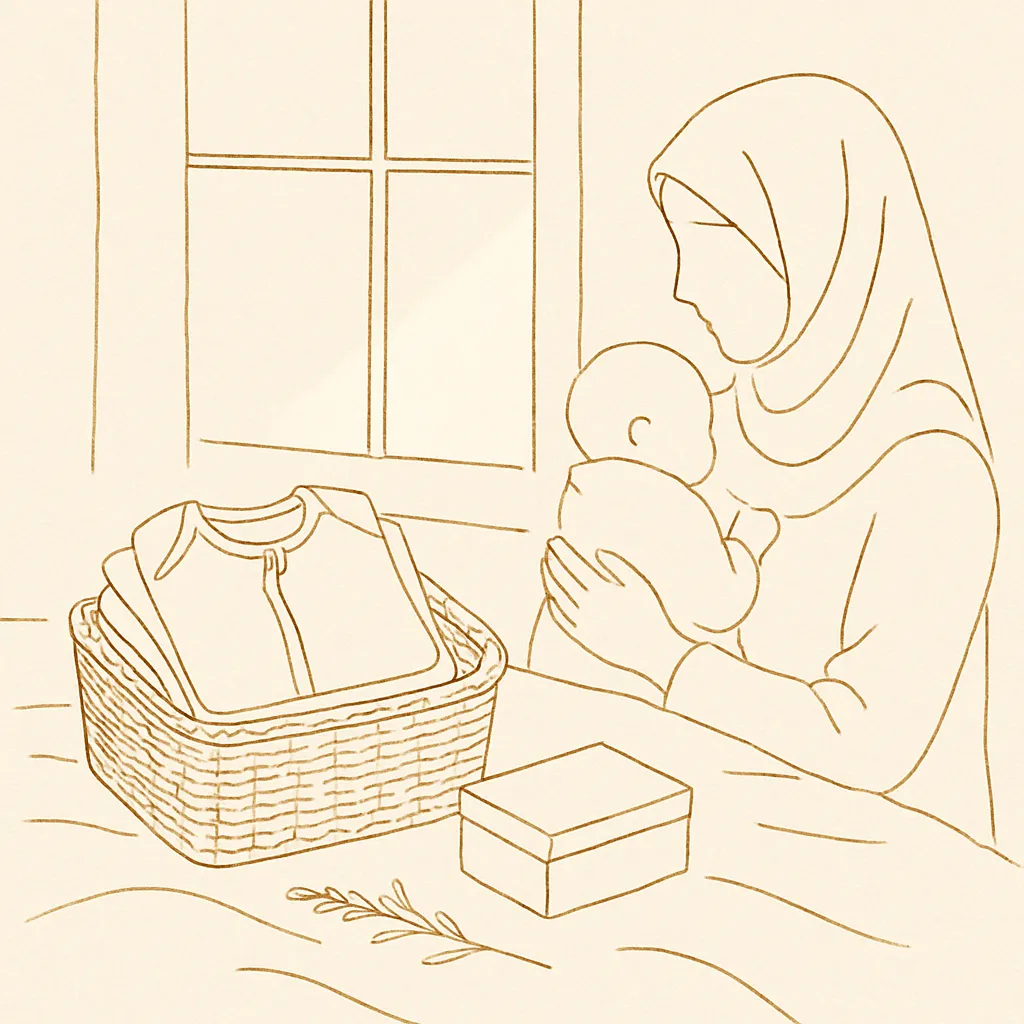
In a home with a baby, things multiply fast; tiny bodysuits, bibs, bottles and toys can scatter into every corner. The good news is that order does not mean a perfect wardrobe, but a simple, sustainable flow. When you group items by how often you use them and give everything a familiar place, the morning scramble of searching eases and your day starts more calmly.
Sorting Items by How Often You Use Them
The most practical place to start is thinking about how often you use things rather than just categories. Keep the bodysuits, bibs and changing supplies you reach for every day within easy reach at eye level; move larger sizes you rarely use or backup gear to higher shelves or boxes. Gathering feeding gear into a single kitchen drawer and toys into one basket in the living area builds a sense that everything has a place. That feeling reassures you, and over time your baby too, because a predictable order gives little ones a sense of security.
A Practical Wardrobe for the Move Into Summer
A change of season is a natural chance to simplify the wardrobe. As summer nears, bring thin, breathable cotton bodysuits and short-sleeved clothes to the front; wash thicker off-season pieces and store them in a clean box. Sorting sizes from small to large helps you quickly spot what your fast-growing baby has outgrown. Putting outgrown items in a separate 'farewell box' to donate or save leaves breathing room in the wardrobe. Hanging clothes or using upright 'file folding' lets you see all your options at a glance.
A Simple System, Step by Step
1. Make everything visible first
Start with one zone; take everything out and lay it in front of you. Seeing what you have is the most practical first step, and it naturally reveals any excess.
2. Frequent up front, backups behind
Place daily items within easy reach and keep backups and off-season pieces on higher shelves or in boxes. Aim for a single basket per zone; simplicity makes the system last.
3. Build a short evening routine
A gentle ten-minute tidy before bed keeps clutter from piling up. Turning 'putting things back' into a small daily habit removes the burden of a big clean-up.
Frequently Asked Questions
❓ My baby's things multiply so fast — where should I begin?
The most practical move is to start with the single zone you struggle with most, usually the clothing wardrobe. Finishing one category completely is less tiring than touching many scattered things at once, and it gives a visible sense of achievement. A small but completed area is the best motivation to keep going.
❓ What should I do with outgrown clothes?
You can store the clean, sturdy ones in a separate box for the next baby or for relatives, and send worn pieces for recycling. Quality organic cotton pieces often carry several babies comfortably; this helps both your budget and reduces waste. Doing this sorting regularly at the end of each season keeps the wardrobe current.
The Maiyko difference: At the heart of a simple wardrobe are fewer but better pieces. At Maiyko we use GOTS-certified organic cotton; soft, breathable, durable fabrics that are easy to fold and long-lasting, so they can be stored with confidence from season to season.
maiyko.com · Kids & Babies · Home & Hobbies · İstanbul, Türkiye · © 2026 Maiyko
Foods mentioned in this post
⚕️ The content in this article is for informational purposes only; it is not medical advice. For decisions about your baby's health, consult your pediatrician.