
Gelişim · August 18, 2026 · 5 min read
Language Development and First Sounds in Your Baby: Gently Supporting Early Talking
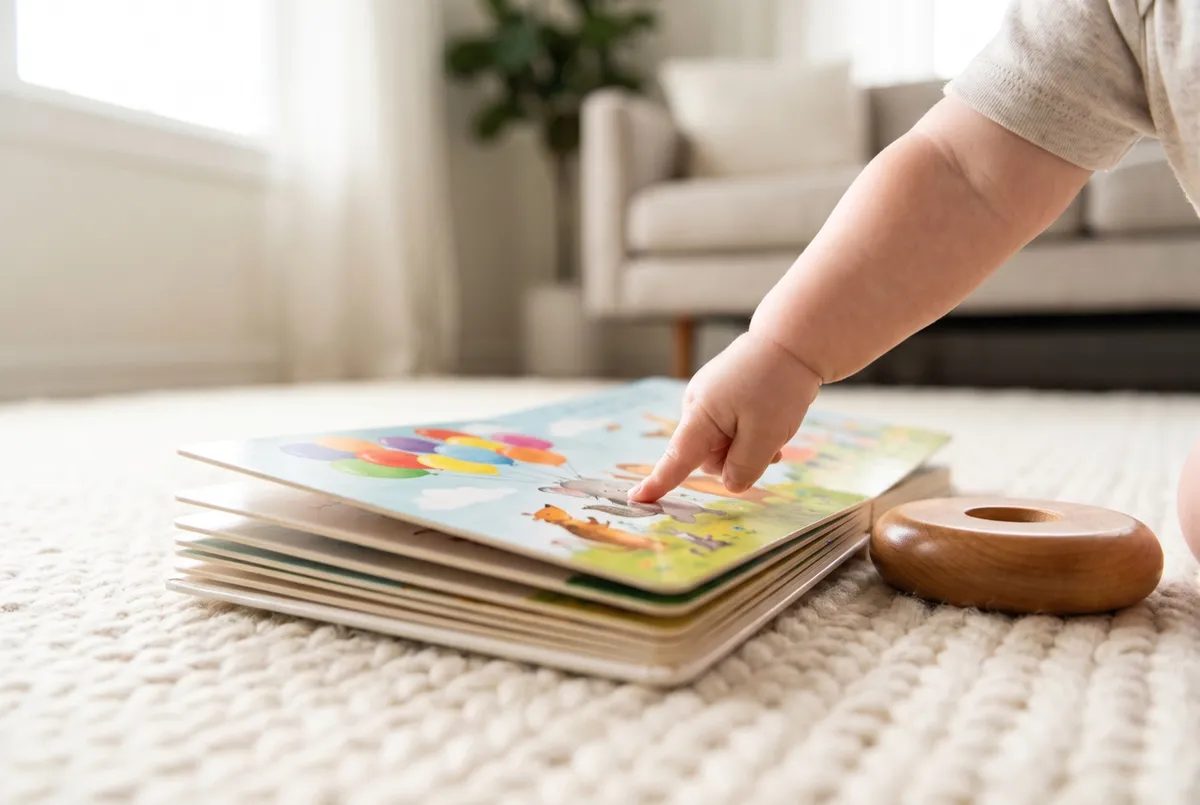
The first “goo-goo” sounds, tiny murmurs and repeated syllables your baby makes are really the beginning of a wonderful journey. Even before words arrive, your little one is looking for ways to connect with you — reaching out through their gaze, their voice and their smile. In this article we’ll explore, step by step, how language develops and how you can gently support talking within the rhythm of everyday life.
How Do First Sounds Begin?
Language development starts from birth. In the first weeks, crying and tiny sounds are your baby’s main way of communicating. Around two to three months you begin to hear soft “coo” sounds and vowel-like murmurs. Toward the sixth month these turn into syllables: repeated babbles such as “ba-ba,” “da-da” and “ma-ma” appear. As the first birthday approaches, these syllables slowly take on meaning and the first words emerge.
Gentle Ways to Support Talking
You don’t need special tools or programs to support talking; the most powerful method is the natural moments within everyday life. You can gently add the small habits below to your daily routine.
As you dress, feed or carry your baby, describe what you are doing in a calm voice. Simple sentences like “Now we’re putting on your little sock” link words to everyday life.
Say the name of the toy or object your little one is looking at. Following their interest can help words stay in mind more easily.
When your baby says “goo,” smile and answer, then pause for a short moment. This pause is a gentle way of saying “your turn” and strengthens two-way communication.
The Maiyko difference: The most precious setting for supporting talking is one where your baby feels safe and at ease. Maiyko’s soft garments, made from GOTS-certified organic cotton, gently wrap your little one’s skin and help them stay comfortable during these calm, shared moments.
Frequently Asked Questions
❓ My baby makes sounds later than peers — should I worry?
A wide developmental range between babies is normal. If your little one makes eye contact with you, reacts to sounds and produces their own syllables, there is usually no need to worry. Still, if you have a question in mind, sharing your observations with your pediatrician is the best step.
❓ Is talking to a baby in a sing-song “baby” voice harmful?
A warm, sing-song and exaggerated tone attracts babies’ attention and can help them tell sounds apart. Over time, adding real words and simple sentences to this melodic tone naturally supports language development.
When to Consult a Professional
If your baby is approaching their first birthday but is not yet babbling, does not react to familiar sounds or their name, or has noticeably stopped making sounds they used to make, it is good to share this with your pediatrician. The information here is a general guide and does not replace a diagnosis; every baby’s situation is unique. Even a small observation can put your mind at ease, and professional support when needed is the safest step.
maiyko.com · Kids & Babies · Development · İstanbul, Türkiye · © 2026 Maiyko
Foods mentioned in this post
⚕️ The content in this article is for informational purposes only; it is not medical advice. For decisions about your baby's health, consult your pediatrician.