
Beslenme · June 23, 2026 · 4 min read
Gently Weaning Off the Bottle: A Calm Transition With Your Baby
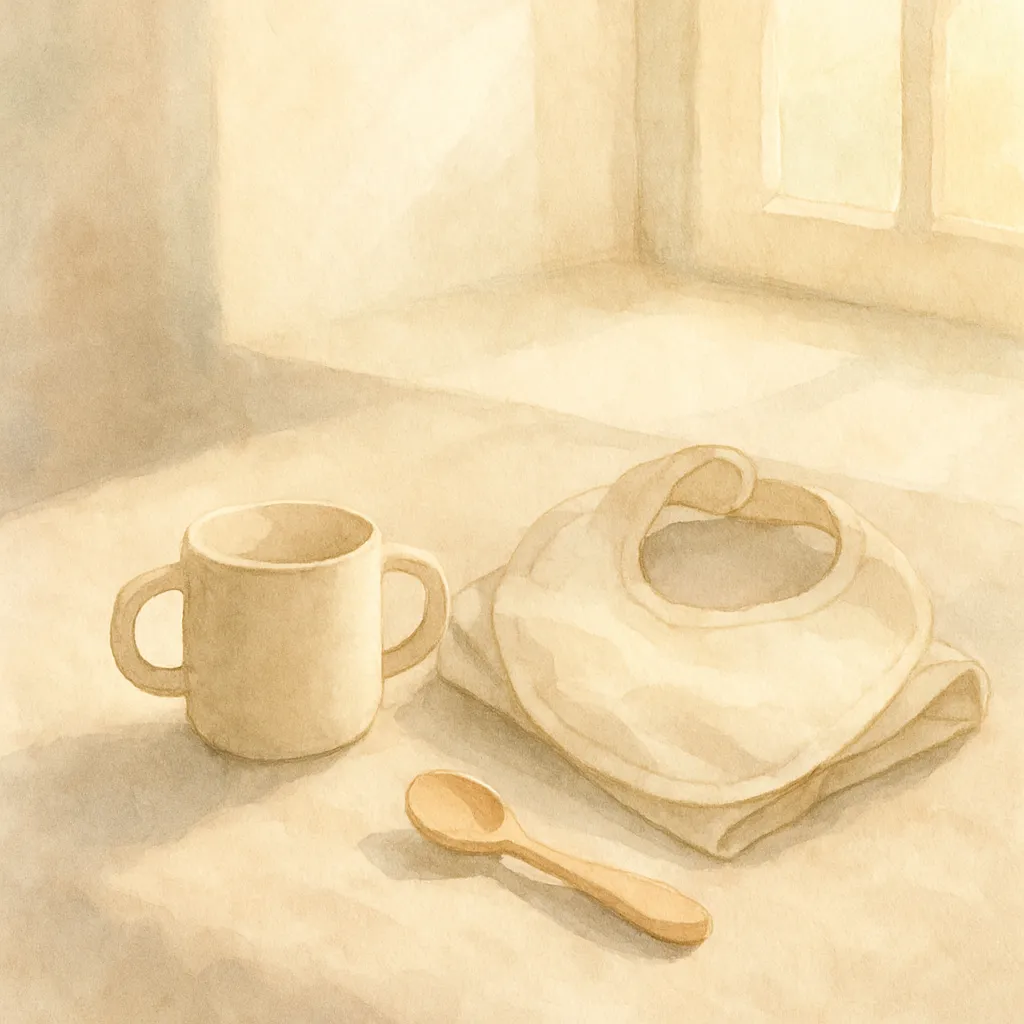
For many babies the bottle means far more than feeding; it stands for security, closeness and calm. That is why leaving the bottle behind is best thought of as a soft transition rather than an abrupt stop. When you follow your baby's signs of readiness, introduce the cup with love, and honour their need for the old comfort, this period can pass calmly for both of you.
Gently Observing the Signs of Readiness
Every baby moves at their own pace, and your baby's signs guide you more than any calendar. Showing interest in sipping from a cup, drinking steadily while seated, and clinging less to the bottle at meals are gentle signs that the transition is near. During intense times such as illness, teething or a new sibling, postponing the change can be kinder, because the bottle is an extra source of comfort then. There is no rush: if it feels too soon, it is perfectly normal to wait a few weeks and try again.
Introducing the Cup With Love and Gradually
Presenting the change as a new discovery rather than a loss makes it easier. Start with the least emotionally charged meal of the day (often lunch) and replace the bottle at that meal with a cup. Letting your baby choose an easy-to-hold cup with two handles or a soft spout increases cooperation. Save the bottle they are most attached to (usually before sleep) for last. During the transition days, extra cuddles, a warm voice and patience are gentle ways to meet the security the bottle gave through other means.
A Gentle, Step-by-Step Transition
1. Start with a daytime meal
Replace the bottle at the meal they are least attached to with a cup. Stay with the same meal for a few days; familiarity brings reassurance.
2. Add new moments of security
Support the closeness the bottle gave with cuddles, a lullaby or a beloved soft toy. The aim is to fill the gap with love.
3. Save bedtime for last
Let go of the most emotional bottle last. Replace it with a calm reading or a short cuddle routine to close the evening softly.
Frequently Asked Questions
❓ Should I stop the bottle all at once?
An abrupt stop can be hard for most babies, because the bottle is also a comfort object. A gradual move spread over a few weeks, meal by meal, is usually both calmer and more lasting. If your baby is struggling a lot, you can step back and slow the pace.
❓ What if they drink less milk during the transition?
Small fluctuations in the amount they drink can happen during the transition days, and this is often temporary. Keep offering water in a cup and balanced foods at meals. If you notice a marked drop in appetite, worry about weight, or concerns about fluid intake, it is best to consult your pediatrician.
The Maiyko difference: Transition days can mean plenty of cuddles and frequent outfit changes. At Maiyko we use GOTS-certified organic cotton; soft, breathable fabrics are gentle on your baby's delicate skin and offer practical comfort against spills.
Health Note: This article is for informational purposes; please discuss decisions about your baby's nutrition and the move off the bottle with your pediatrician.
maiyko.com · Kids & Babies · Nutrition · İstanbul, Türkiye · © 2026 Maiyko
Foods mentioned in this post
⚕️ The content in this article is for informational purposes only; it is not medical advice. For decisions about your baby's health, consult your pediatrician.