
Beslenme · June 18, 2026 · 4 min read
Food Refusal and Picky Eating in Babies: A Gentle Approach at the Table
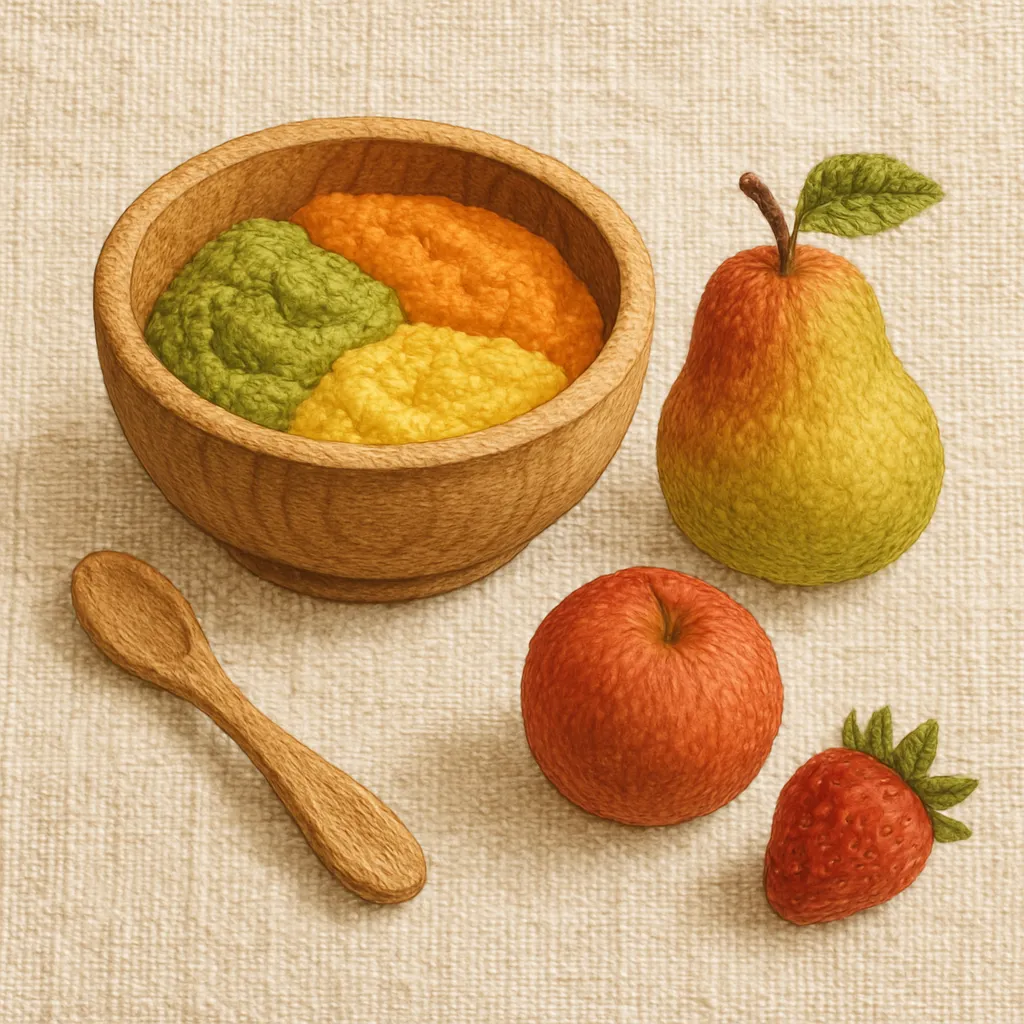
A baby who loves everything at one meal and turns away even a favourite dish the next day… most parents know this picture well. Food refusal and picky eating are very common, usually temporary developmental phases. Worry is natural; but a gentle, patient approach at the table is often what helps most.
Why does food refusal happen?
Around one to two years, babies begin to explore the world on their own and to make choices. Saying "no" is actually a sign of a growing sense of independence. Being cautious about new, unfamiliar tastes (food neophobia) is also completely normal at this age.
As growth slows, appetite fluctuates; a child who eats a lot one day may eat little the next. Teething, a mild discomfort or tiredness can cause temporary loss of appetite too. What matters is the balance across several days, not a single meal. Every baby moves at their own pace.
A gentle approach at the table
1 · Offer choices without pressure
You decide what, when and where to eat; let your baby decide how much. Insisting on "just one more bite" often backfires.
2 · Reintroduce patiently, again and again
A food refused today can be tried tomorrow. Offering the same food calmly on different days builds familiarity; a refusal is only a choice in that moment.
3 · Eat together, be the example
Children imitate what they see. Eating the same foods with enjoyment at the same table is the strongest encouragement. Not making food a reward or punishment increases interest in it.
4 · Build a calm routine
Meals at set times, screen-free and in a calm setting, feel reassuring. Start with small portions; a little mess is part of exploring too.
❓ Should I give a toy or reward to get my baby to eat?
Bargaining over food with a reward, screen or toy may work short term but can make the relationship with food harder over time. It is healthier to keep the table pressure-free and a shared, pleasant moment.
❓ When should I consult a professional?
Most picky-eating phases are temporary. But if there is weight loss, eating only a very limited number of foods, difficulty swallowing or chewing, constant tiredness or a slowing in growth, it is helpful to share your observations with your paediatrician.
The Maiyko difference: Exploration at the table is often messy, and that is lovely. At Maiyko we use GOTS-certified organic cotton; at mealtimes, fabric that is soft and breathable against the skin helps your little one explore with ease.
Health Note: This article is for informational purposes; please make decisions about your baby's nutrition and health in consultation with your paediatrician.
maiyko.com · Kids & Babies · Nutrition · Istanbul, Türkiye · © 2026 Maiyko
Foods mentioned in this post
⚕️ The content in this article is for informational purposes only; it is not medical advice. For decisions about your baby's health, consult your pediatrician.