
Gelişim · May 14, 2026 · 4 min read
A World Full of Color This Spring: How to Teach Your Child About Colors
## Why Are Colors So Important?
Seen through a young child's eyes, the world flows like a river of colors that haven't yet been named. Learning colors isn't simply about saying "this is red, this is blue" — it's the very first step toward understanding categories, building richer language, and making sense of the world around them. Research shows that color words typically begin to take hold around ages 2 to 2.5, but the journey starts much earlier — babies pay attention to high-contrast colors from their very first months, and by a few months old they're already drawn to bright, vivid tones.
## Spring Is a Classroom Full of Color
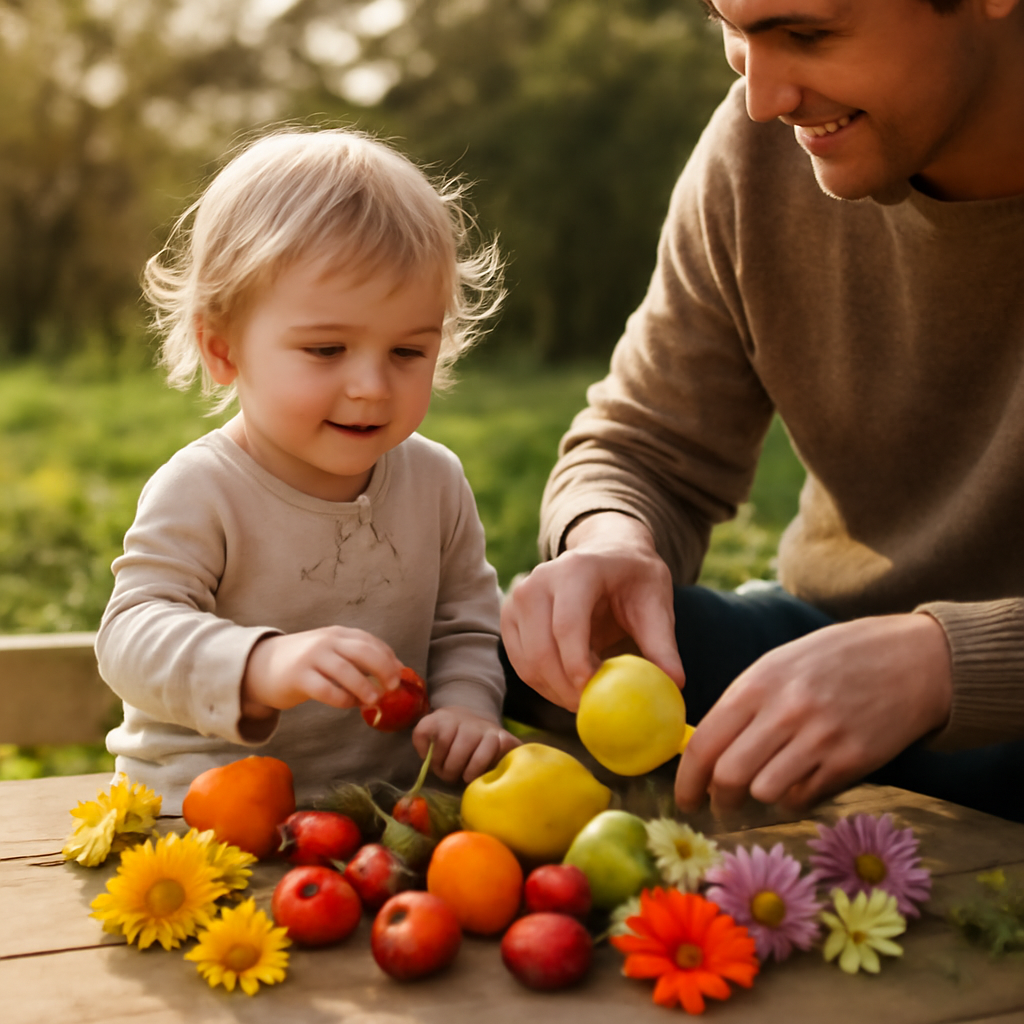
This season offers a wonderful opportunity for color learning. Yellow dandelions on a morning walk in the park, red strawberries tucked in your bag at lunchtime, purple hyacinths blooming on the balcony at dusk — everything is vivid, tangible, and within reach. Try focusing on just one color each time you head outside with your child: "Today we're looking for green things!" This simple little game also nurtures attention span and observation skills.
## Age-by-Age Approaches for 0–5 Years
**0–12 months:** You don't need to name colors for babies — simply showing them black-and-white and then bright red, yellow, and blue objects helps stimulate the visual cortex. Saying "We're putting on your yellow bib" as you dress them is plenty.
**1–2 years:** Matching games come into play. Using colorful fabric balls or plastic containers, you can make a game of grouping things by color. When they get it wrong, rather than correcting them, model the right answer: "Look, I'm putting the red one right here."
**2–3 years:** Children start naming colors but may mix them up — and that's completely normal. Instead of asking "What color is this?", try offering two options: "Is this blue or green?" That kind of guided choice makes learning so much easier.
**3–5 years:** Color mixing becomes a wonderful discovery. Combining red and yellow water to make orange is one of the very first sparks of abstract thinking. An experiment like this with watercolors or finger paint can keep little ones happily busy for hours.
## Weave It Into Everyday Life
You don't need a dedicated lesson time to teach colors. In fact, sprinkling it throughout the day is far more effective:
- At breakfast: "Our strawberries are red and the banana is yellow — which one do you want?"
- While getting dressed: "Which colorful socks would you like to wear today?"
- During storytime: Casually call out the colors of objects on the page in a natural, relaxed voice.
- At the grocery store: Turn the produce aisle into a mini color scavenger hunt.
## Be Patient — Every Child Has Their Own Rhythm
Some children can distinguish colors by 18 months; others may keep mixing them up until age 3. This is largely within the range of normal development. That said, if a child past the age of 4 is still consistently confusing basic colors, it may be worth speaking with your pediatrician about color blindness — catching it early can make a real difference when they start school.
**Remember:** The most lasting learning happens in moments that are joyful and pressure-free. When your child names the "wrong" color, smile, gently show them the right one, and carry on. Exploring this colorful spring celebration together nourishes your child's growing mind — and gives you memories you'll both treasure.
Foods mentioned in this post
⚕️ The content in this article is for informational purposes only; it is not medical advice. For decisions about your baby's health, consult your pediatrician.